


22 Easy Houseplants for Beginners in East Texas

If you've ever brought home a plant with big hopes and watched it go sideways within a few months, you're not alone. Most of us didn't grow up learning this. Somebody just handed us an "ivy" or a fern one day, told us to set it by the kitchen window, and wished us luck. We were just thinking these must be easy houseplants for beginners in East Texas.
Here's the truth nobody tells you at the checkout counter... houseplants aren't hard. They're just talking to you in a language you haven't learned yet. Yellow leaves, droopy stems, crispy tips, none of that means you've failed. It means the plant is telling you what it needs. Once you know how to listen, the whole thing gets a lot less scary and a lot more fun, kind of like learning to read the sky before a Texas thunderstorm rolls in.
So before we get to the list, three things to settle in your mind.
1. You don't need a green thumb. You need a routine.
There's no such thing as being "good with plants" or "bad with plants." There's just paying attention. Same watering day each week, same spot on the shelf, same few minutes of checking in before you head out the door. That's the whole secret, and it's one you can absolutely build, no matter how many plants you've lost before.
2. Light matters more than the plant tag admits.
East Texas homes get all kinds of light. Bright bay windows, shaded front porches, back rooms that only catch an hour of afternoon sun through the pines. Pay attention to where the light actually falls in your house, not just where you'd like to set a pretty pot. The right plant in the right spot will forgive you for almost everything else, same as good soil forgives a late spring.
Now, the fun part.
3. Overwatering kills more houseplants than our East Texas heat does.
This one surprises people. Most beginners think they need to water constantly to keep a plant alive, especially once August rolls around and everything outside is begging for a drink. Indoors, most houseplants would rather you forget them for an extra week than drown them. When in doubt, stick a finger an inch into the soil. Dry, water it. Damp, leave it be.
22 Houseplants for Beginners in East Texas that We Love
These are houseplants for beginners in East Texas that hold up well in our humidity, the swing from window unit cool to summer porch heat, and the busy lives most of us are living. Beginner-friendly, forgiving, and worth the space on your shelf.
1. Pothos. The plant we hand almost everybody starting out. Tolerates low light, irregular watering, and general benign neglect the way a good garden dog tolerates a nap in the shade. Comes in gold, marble, and neon varieties if you want a little more personality.
2. Snake Plant. One of the few plants that actually prefers you underwater it. Great for a bedroom or an office desk that doesn't get much natural light, and tough enough to shrug off a forgetful week. It prefers brighter light for better color variation, but it is tough.
3. ZZ Plant. Glossy, upright, and about as low-maintenance as it gets. Goes weeks without water and still looks like it just got back from the beauty shop.
4. Heartleaf Philodendron. A cousin to pothos with the same easygoing nature. Lovely trailing down a bookshelf or climbing a small trellis on the back porch.
5. Peace Lily. Tells you exactly when it's thirsty by drooping dramatically, then perks right back up within an hour of watering. Good for folks who want their plant to holler when it needs something instead of suffering in silence.
6. Spider Plant. A classic for a reason. Fast-growing, forgiving, and it sends out little baby "pups" you can pot up and pass along to a neighbor, the same way we pass along cuttings and casseroles around here.
7. Succulents. Echeveria, Haworthia, and their cousins are a natural fit for anyone who tends to forget a watering day. A sunny windowsill and a "when in doubt, don't" watering habit is really all they ask for, and they come in enough shapes and colors to fill up a whole porch shelf.
8. Cast Iron Plant. The name says it all, and it's been a Southern porch and parlor staple for generations. Slow growing and it'll sit happily in a dim corner for years without many complaints.
9. Rubber Plant. Bold, glossy leaves that make a statement in any room. Wants bright indirect light and a regular watering rhythm, but rewards you with real presence, the kind of plant that anchors a room the way a good front porch anchors a house.
10. Pilea (Coin Plant). Those round, coin-shaped leaves are as charming in person as they are on Instagram. Easy to propagate and share with your garden club friends.
11. Bird's Nest Fern. A gentler, more forgiving fern than most, with wavy, textured fronds. Handles our humid East Texas air just fine, which is more than we can say for our hair most days.
12. Aloe Vera. Doubles as a first-aid kit for kitchen burns and summer sunburns alike. Wants a sunny windowsill and a good long dry spell between waterings.
13. Jade Plant. A sturdy little succulent that can genuinely live for decades with basic care, the kind you pass down like a good cast iron skillet. Bright light and infrequent watering are all it asks.
14. Holiday Cactus. Not your typical desert cactus. This one likes a bit more moisture and rewards you with blooms right around the holidays, just in time for family to come through the door. There are Christmas, Easter and even Thanksgiving holiday cactus plants to choose from.
15. Swedish Ivy. A trailing classic that does well in cooler rooms and hanging baskets. Good for someone who wants a plant that looks established fast, no waiting required.
16. Calathea (Prayer Plant). A little more particular about humidity, which makes it a natural fit for our sticky East Texas climate. The leaves fold up at night like they're tucking themselves in for bed.
17. Air Plants (Tillandsia). No soil required. A weekly soak and bright indirect light are all they need, which makes them a fun, low-commitment way to start, even if all you've got is a windowsill and some curiosity.
18. Monstera. The showstopper. Those iconic split leaves need a little patience to develop, but bright indirect light and consistent care will get you there, and it's worth the wait.
19. Alocasia. A little more particular, and worth mentioning honestly since these aren't the plant to hand a total beginner. But our humidity actually works in its favor, and once you get the rhythm down (consistently moist soil, bright indirect light, no cold drafts) that dramatic arrow-shaped foliage is hard to beat. A great second or third plant once you've got your confidence up.

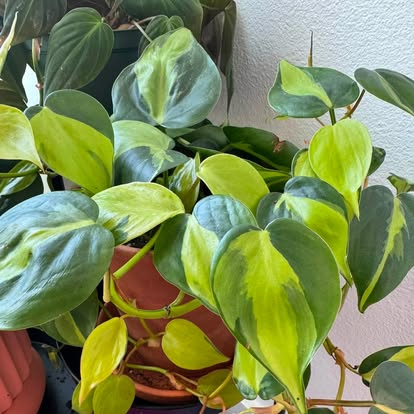
20. Philodendron Brasil. A brighter, variegated take on the classic vining philodendron. Same forgiving nature, with a little extra color to show for it on a shaded porch or windowsill.
21. Staghorn Fern. You've probably seen one mounted on a piece of wood on somebody's shaded East Texas porch, and there's a reason it's a Southern favorite. It genuinely loves our humidity, and once it's mounted and settled, a good weekly soak is about all it asks for.
22. African Violet. A true windowsill heirloom, the kind of plant your grandmother or your church friend's mother always seemed to have blooming year-round. Bright, indirect light and water from the bottom of the pot instead of overhead, and it'll reward you with soft purple blooms for months on end. One of our favorites for good reason.
Start with one.
You don't need to bring home all twenty-two this weekend. Pick one that fits your light, your schedule, and your patience level, and get to know it. Once you've got a rhythm with one plant, the next one gets easier. That's how everybody who's "good with plants" actually got that way, one pot at a time, same as everything worth doing around here.
Bring your questions in. We'll help you figure out the rest.
Proudly Rooted in East Texas.



Comments